Retail strategies - a startup reality check

Keeping it real... opportunities for CPG #startup brands with small shops; and a close look at how the now notable brand SEEDLIP boldly approached their startup phase.
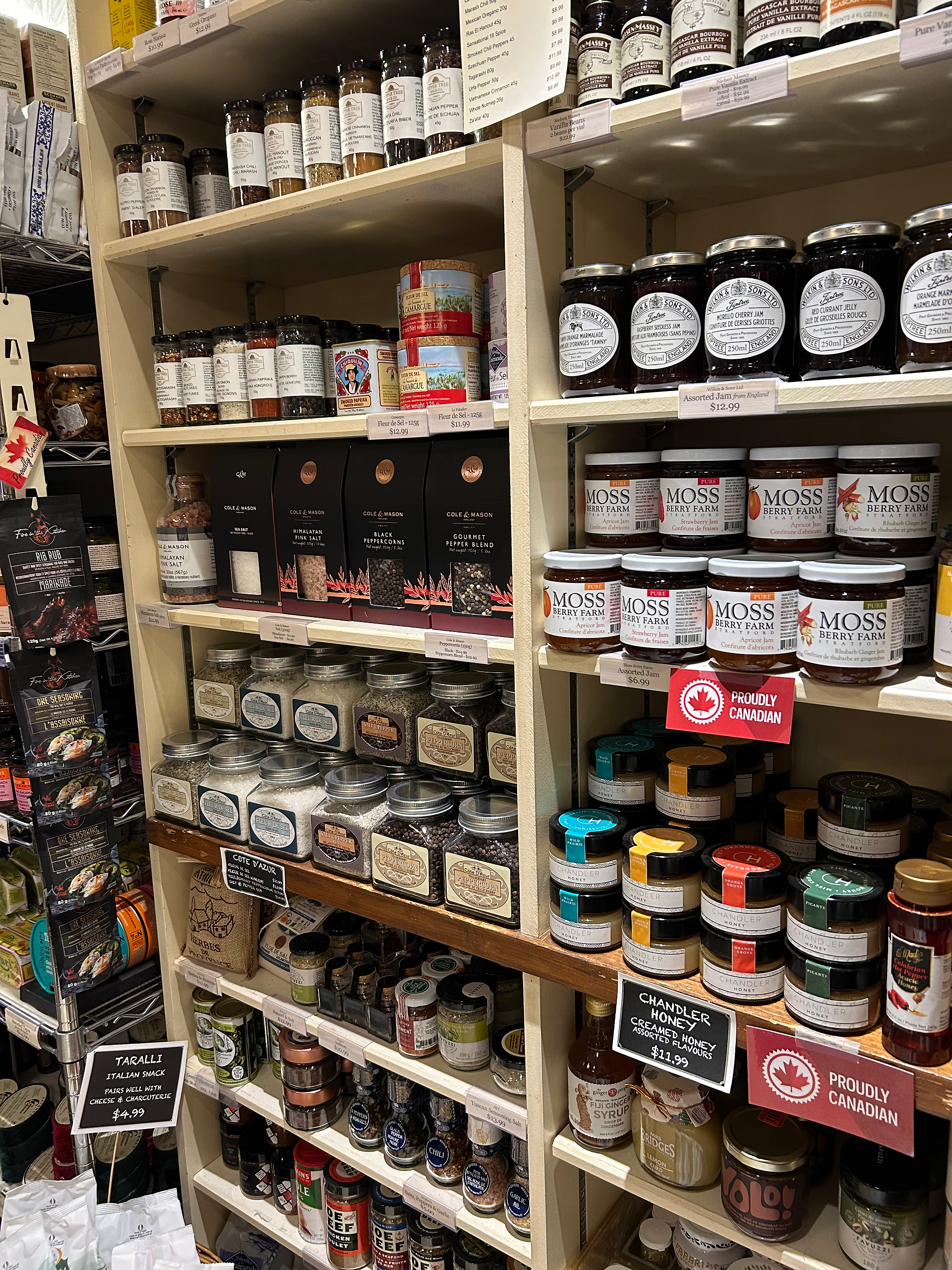
When I travel I like to pop into local kitchenware shops. As part of my branding knowledge it’s a fresh opportunity to see regional brands and the uniquely curated products in a real live setting. We are hardcore foodies at home, with stacks of cookbooks, kitchenware, a cabinet full of olive oils - I never get enough of these wares - my cup (and kitchen cabinet) runneth over;) During this Christmas season I dropped into a small specialty kitchen shop in London ON, called https://jillstable.ca.

Retailers like these take great care in sourcing products and staging them so perfectly. They are much more informal than let’s say a corporate model like William Sonoma, offering a more authentic experience. Small shopkeepers move products around as needed without the rigidity of a retail planogram. The informality of a mixed ‘dry goods’ shopping experience means that startup brands have a greater likelihood of getting picked up to go on shelf and subsequently by consumers who care about small brands.
These retailers are super eager to showcase variety in smaller quantities, and are not shackled to a large scale marketing plan to meet shareholder projections. This type of setting builds a grassroots sales strategy for a CPG startup, making it easier to manage relations directly with a shop owner and getting personal feedback on consumer behaviours. Mining smaller nuggets of information like this can be invaluable with a gradual stream of data collection that can help shape brand strategy shifts over time.



Having worked with startup brands over the last 7 years, the one common theme I notice is a broad strategy on sales but never a clear vision on what their growth truly means. Very few startups are ever able to fully respond to my design briefs. The design briefs help me uncover how much or how little guidance they will need from me during the design strategy.
As a startup it is so important to define which type of retailer is the immediate target vs the longterm. This distinction is critical as the positioning to large vs small retailers is very distinct, two very different buyers. This also means two different types of consumers: the ones who shop small local vs box store. Owning a brand does not automatically mean that going large is ever mandatory, expected or even realistic. There is nothing wrong with keeping it small or medium, as long as it fits a vision.
A brand can still be successful in a smaller arena; in fact this can often mean the difference between longevity vs crash+burn. Defining a concrete growth trajectory with realistic goals is a healthier approach to keeping on task and learning steadily. There are so many components to owning a brand these days, understanding the retail logistics alone is a huge undertaking. The complexities of each sales funnel…a brand’s online store, Amazon, other virtual retailers, store demos…all the while keeping on top of the campaigns for each these can be super daunting. The risk of stretching too thin becomes a liability over time.

Now, let’s look at the gem I found in the shop! As I scanned the shelves at Jill’s Table I spotted a well established brand that I had totally missed all these years in the non-alcoholic category called SEEDLIP. It is so perfectly executed as it managed to catch my eye on shelf. I can wax poetic all day about the branding on this one, but the design is already well distilled in this document: https://effectivedesign.org.uk/sites/default/files/Seedlip_For%20Publication.pdf The document in this link is a masterclass in positioning like no other. It is very rare for a brand to come together like this one did, there is so much to read about it.
This brand owner did what most startups avoid: he invested heavily in the branding from day one with his launch in 2015. The brand story and identity was so masterfully executed that even after 10+ years it remains unchanged, proving that classic design with a twist of modern has a much longer shelf life. The result was that within the first year 2016, they got noticed by Diageo who invested in them as minority shareholder…to now Diageo acquiring a majority shareholding by 2019.
For a global spirits leader like Diageo to leave the spirit of the brand untouched - the formula and the brand identity - is truly a testament of the brand’s strength. Even more telling is the trust they place on the founder, Ben Branson, who still remains a shareholder and Director working with Diageo.
As lifelong foodies, the non-alcoholic options in our home have been something we have sampled as far back as twenty years ago. With aging parents in nursing homes, we would often try the few brands on shelf. It was such a small category at the time, barely noticeable. But those options were always too sweet, bordering on grape juice. This winter I was intentionally scanning the category again looking for a gift at the shop, as this category has now matured just like a proper wine. When I spotted Seedlip it was the perfect gift so I grabbed a few bottles. The one bottle that I did keep remains unopened as it’s too precious to uncork yet. What I can say it will be fun to mix it into Negroni and Gin, or simply straight up, as the flavour notes sound sophisticated. It is definitely an elevated non-alcoholic spirit that promises to strike the right balance of adult for this year’s Dry January!
My advice to small startups is simple: master the small scale first. Invest on a well thought out brand identity with an experienced agency, avoiding freelancers that do not have the strategy + compliance depth. And finally, stop distracting with what other’s are doing putting undo pressure on yourselves. You want the brand to last, have a steady job that pays possibly even to retirement. No one said it’s a race…the tortoise still got to the finish line.
Hey Reflective Media! You have left me wanting to go out and buy a bottle of Seedlip! More importantly, mission accomplished - you’ve made a strong case the importance start ups should pay to branding from the get go. Look forward to hearing more from you.